


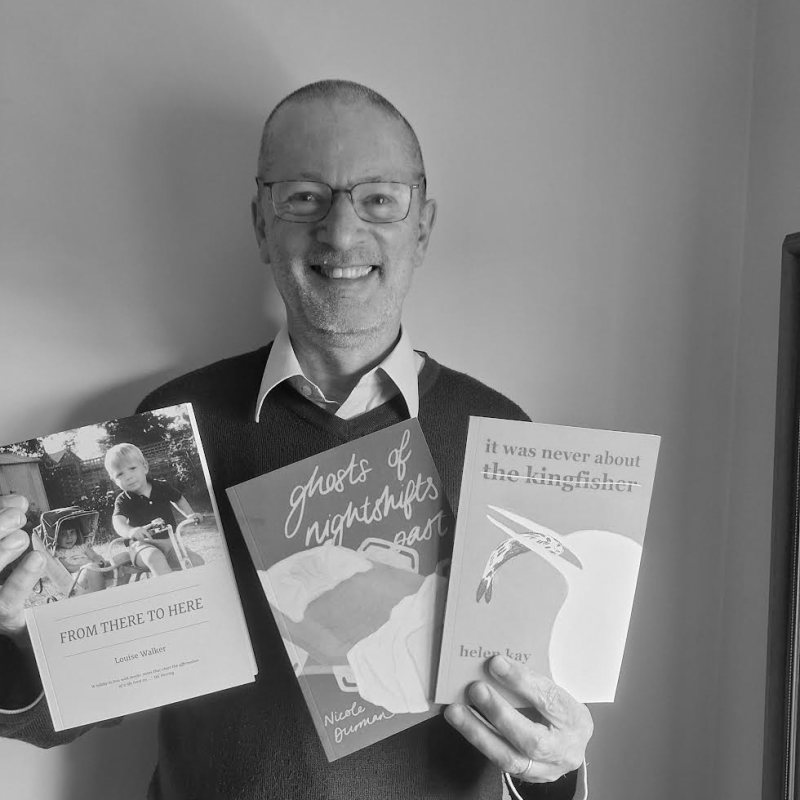
Short-run magazine and catalogue printing. Perfect bound or saddle-stitched, A5 to A4, full colour on coated stocks, from 10 copies.
Independent magazines live or die on production values. Readers paying £10–15 an issue expect a flat printable spine, colour that matches the designer’s screen, and paper with enough body that the thing feels worth keeping. Web-offset magazine printers deliver that — at 1,000+ copies. Below that, most publishers get pushed to print-on-demand and the issue arrives looking like a photocopied report.
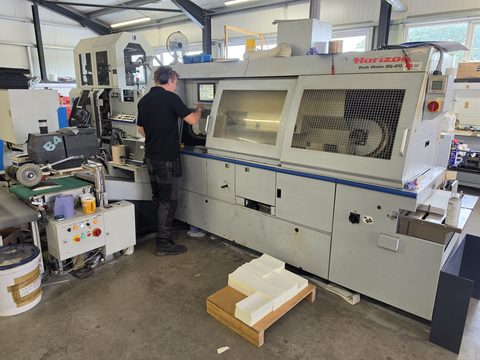
We print magazines and catalogues in short runs at our Exeter bindery. Perfect bound with a printable spine, or saddle-stitched for lighter issues. Full colour on silk or gloss stocks, cover lamination as standard. From 10 copies for a pilot issue to the low thousands for an established title — with per-issue economics that let an indie magazine actually make money.
Price your issue live — same engine as the full calculator. No email, no sign-up.
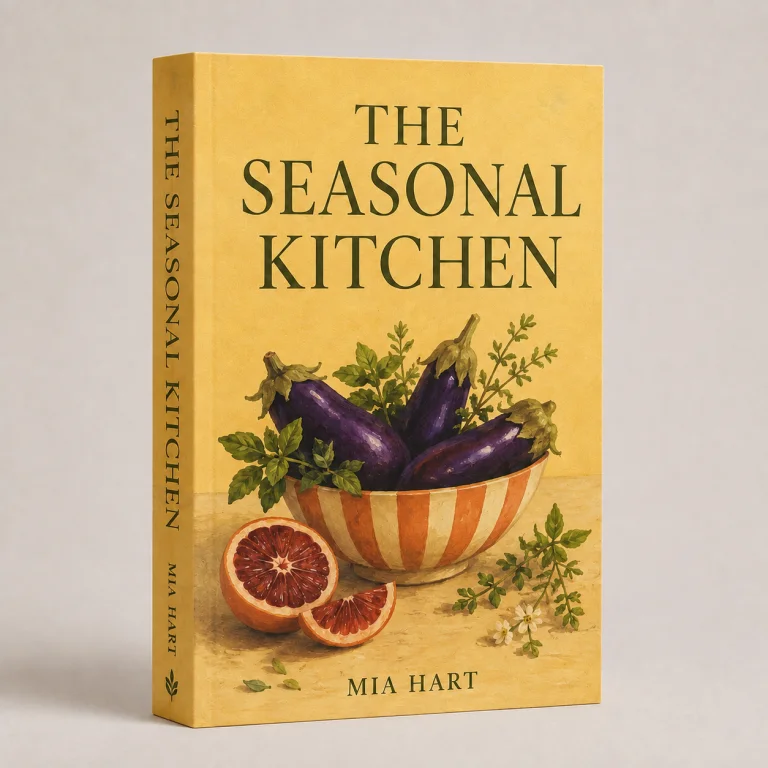
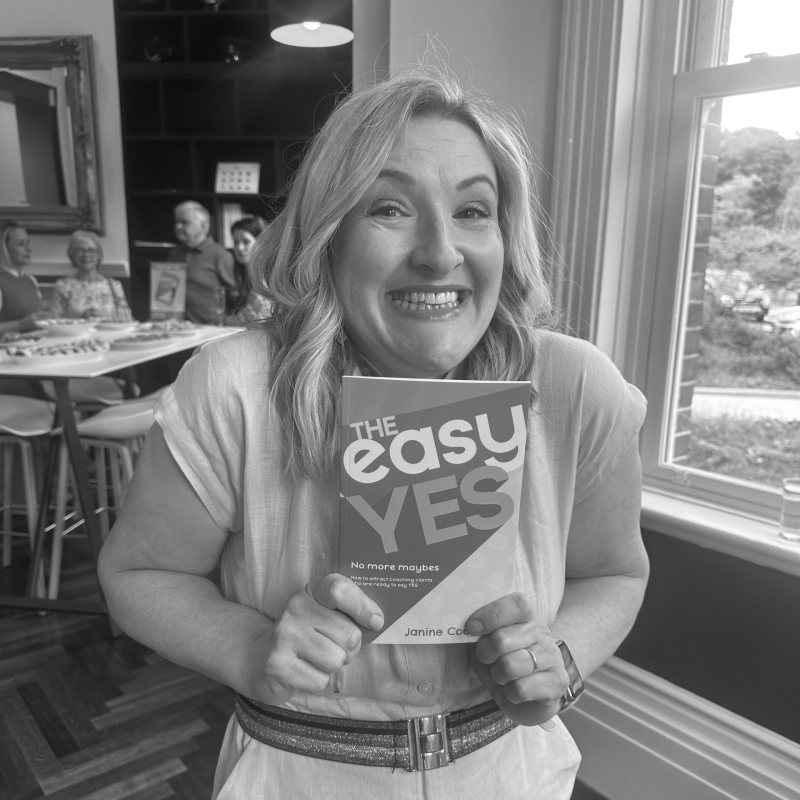
Culture, design, food and special-interest titles. Perfect bound with printable spines, premium silk stocks, runs sized to subscriber counts.
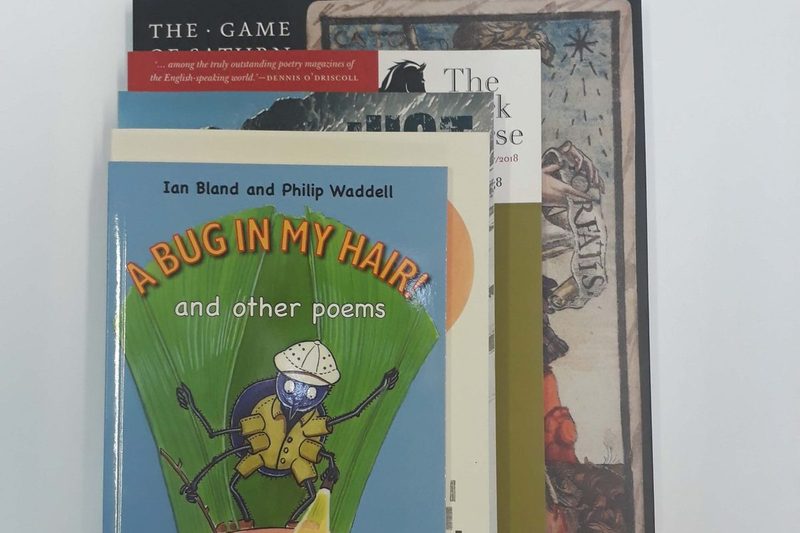
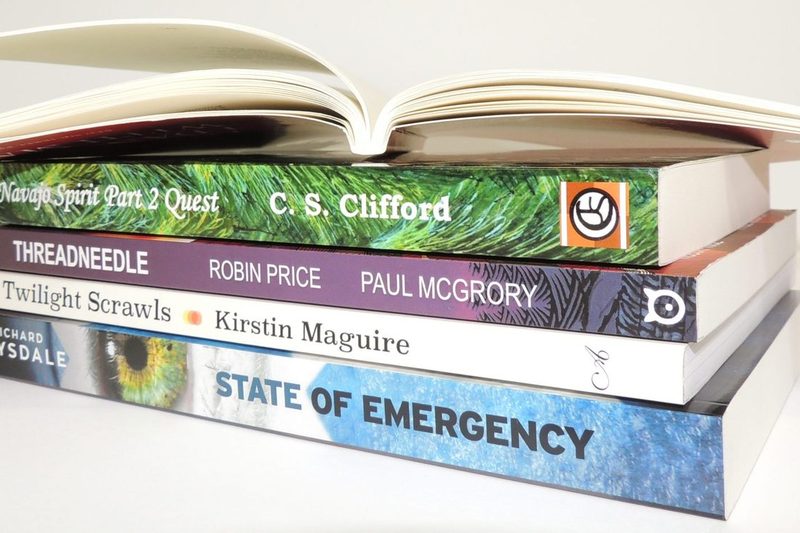
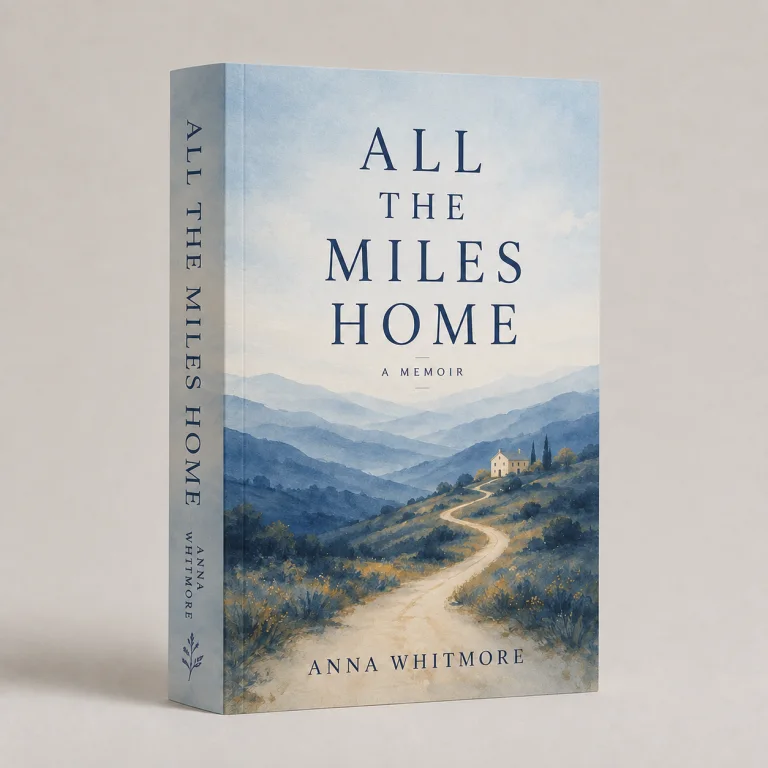
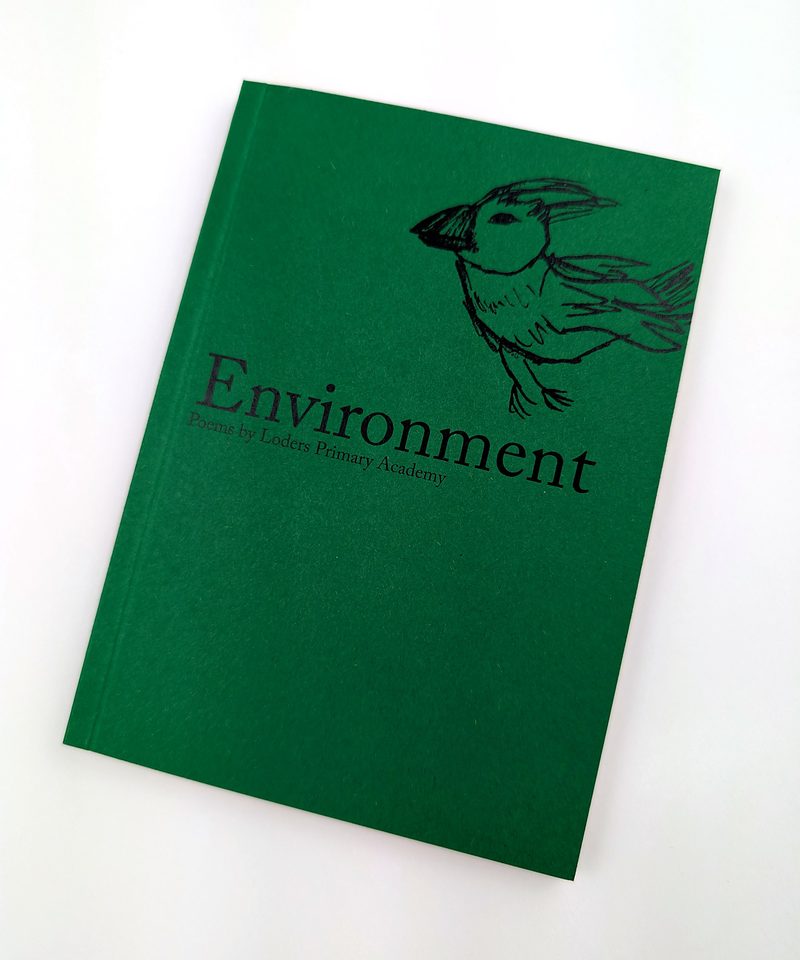
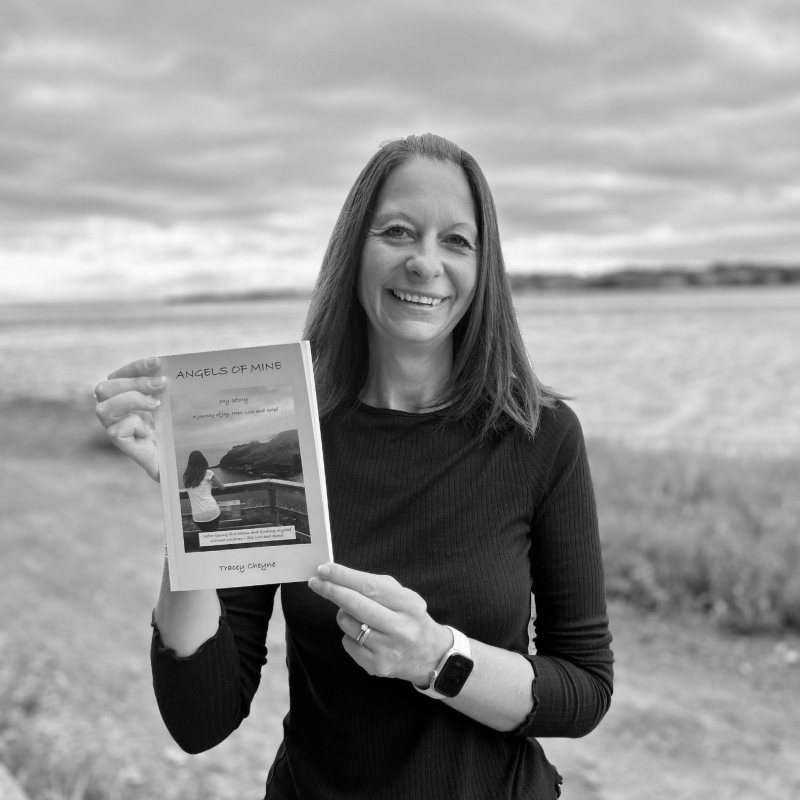
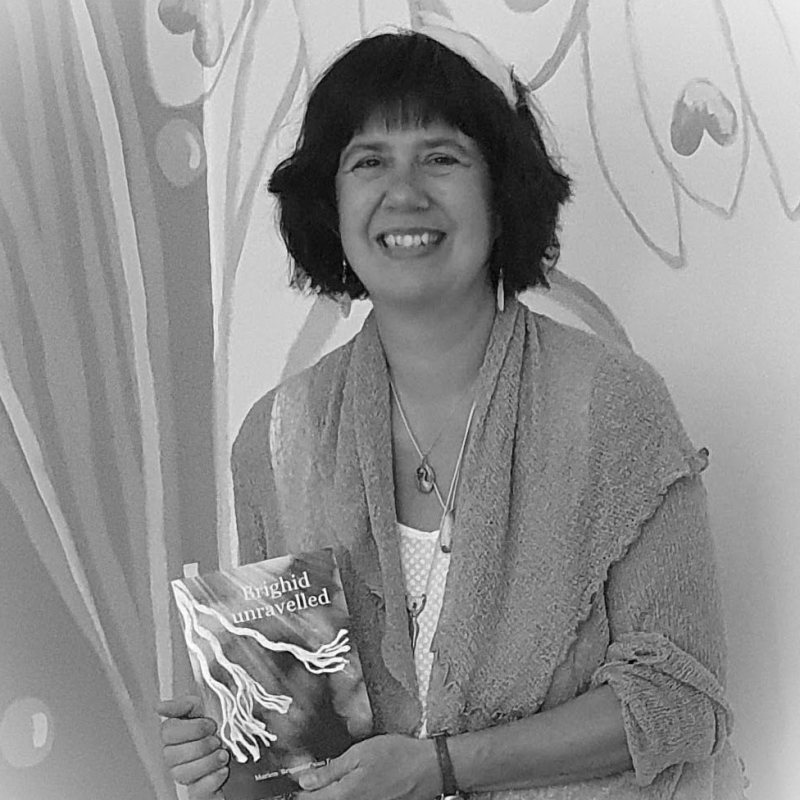
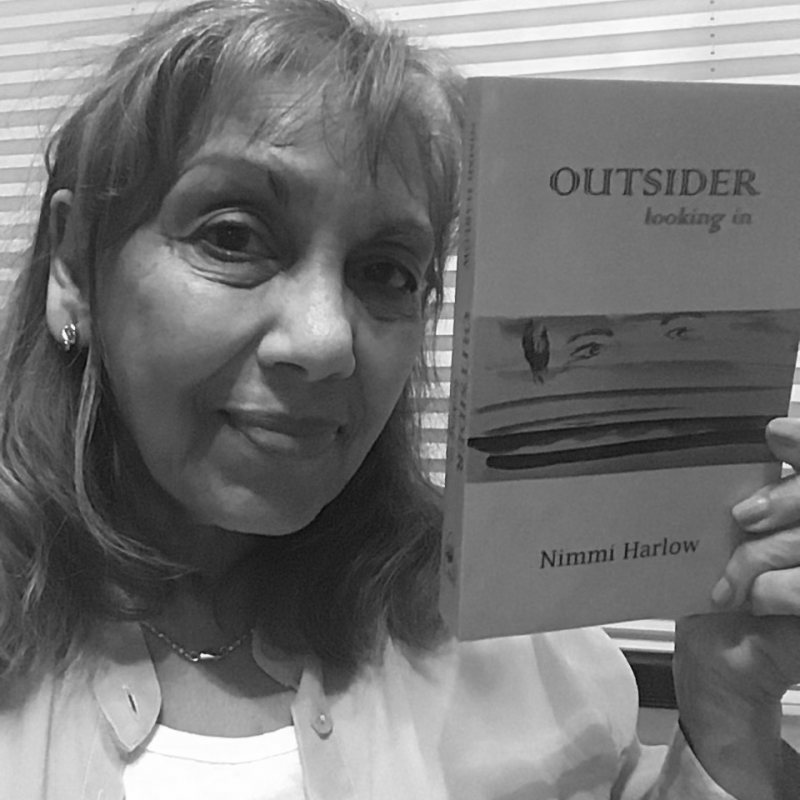
University and small-press literary magazines, poetry reviews, anthologies. Uncoated text stocks that read beautifully, colour covers that sell.
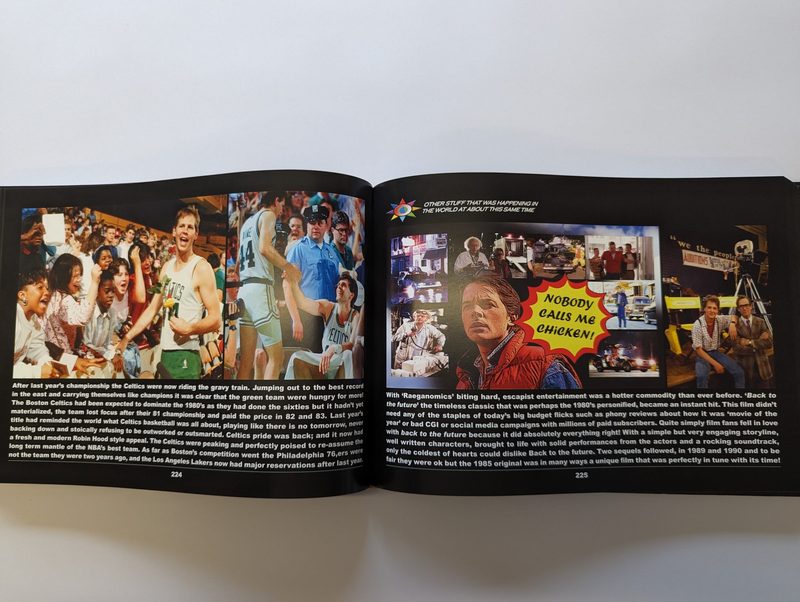
Retail and trade catalogues, art and exhibition catalogues, lookbooks. Accurate colour for product photography, saddle-stitched or perfect bound.
Society journals, alumni magazines, church and community titles. Reliable repeat scheduling, mailing-friendly weights, consistent issue-to-issue colour.
Magazine costs are driven by page count, paper and run size. The rows below show the common formats at live prices; saddle-stitched issues price via the quote calculator. Prices include UK delivery.
| Format | Specification | Quantity | Per copy |
|---|---|---|---|
A4 colour magazine |
80pp colour · perfect bound · 115gsm gloss |
100 | £5.78per copy |
A4 colour magazine |
80pp colour · perfect bound · 115gsm gloss |
250 | £5.33per copy |
A5 catalogue |
64pp colour · perfect bound · 130gsm gloss |
250 | £2.74per copy |
Prices include UK delivery, exclude VAT. For the full UK book printing prices across paperback and hardback at every quantity tier, see our pricing page — or get an exact quote for your spec →
Build the spec, see the price live. No account required, no email gate — just an instant figure based on what you actually want.
Pick trim, pages, paper and quantity — price a pilot run and a full run side by side.
Print-ready PDF (300 DPI, CMYK, 3mm bleed) — the free file check flags low-res images and bleed problems first.
Digital proof of cover and interiors — check colour-critical spreads and the spine width before press.
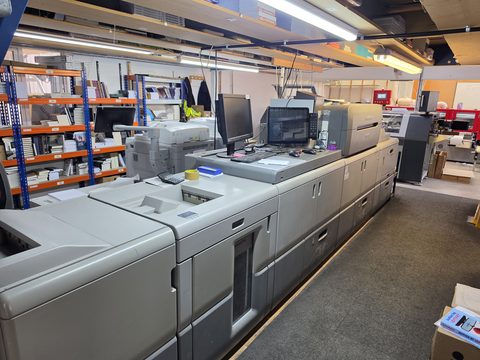
Covers and interiors printed on calibrated presses — issue-to-issue colour consistency for repeat titles.
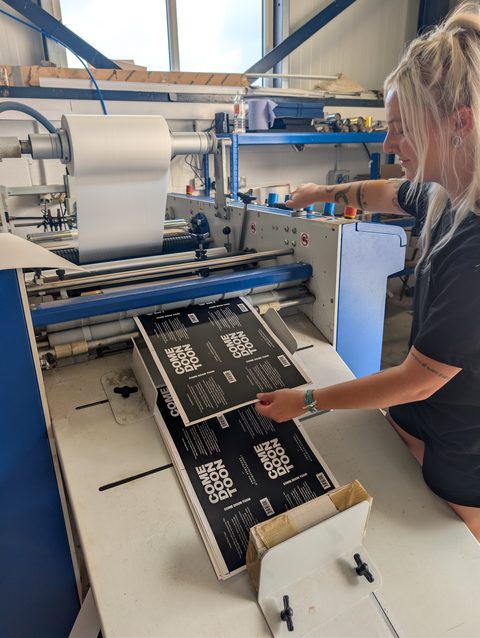
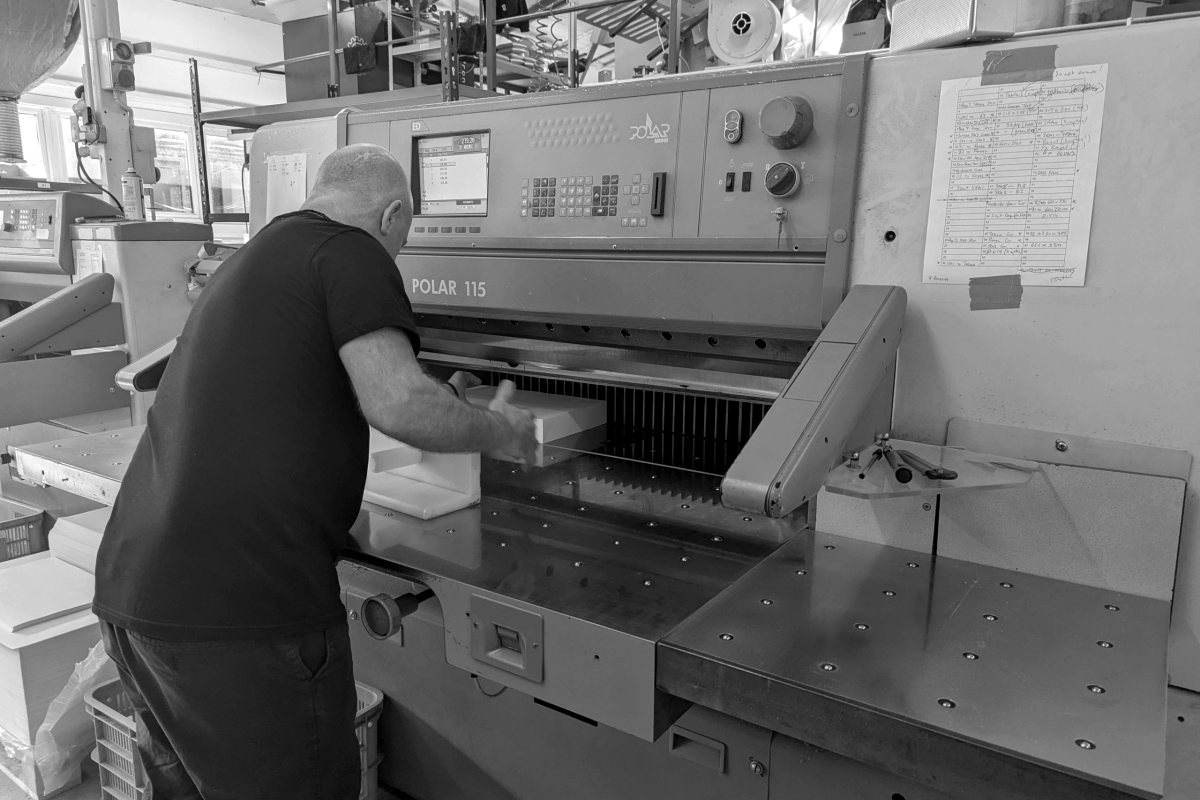
Perfect, PUR or saddle-stitched in-house, laminated, trimmed square.
Shrink-wrapped in shelf or mailing counts and dispatched via DPD or pallet courier.
10 copies — genuinely useful for pilot issues, media kits and advertiser samples before committing to a full run. Most indie titles we print run 100–500 copies per issue; catalogues typically 250–1,000. Unit cost falls sharply between 50 and 250 copies.
Under 64 pages, saddle-stitch is cheaper and lies flatter. From 64 pages, perfect binding gives you a flat printable spine — which matters on a shelf, in subscriber photos and for perceived value at a £10+ cover price. Heavy gloss stocks above 130gsm bind better with PUR. If you’re between formats, we’ll price both from the same file.
The newsstand standard is 115–130gsm gloss or silk inside with a laminated 250gsm cover. Design-led indie titles increasingly run uncoated 100–120gsm for a more editorial feel — it costs a little more per copy and photographs slightly softer, which is often exactly the point. Catalogues with product photography should stay on silk or gloss for colour accuracy.
Yes — catalogues, lookbooks and exhibition catalogues run through exactly the same production as magazines: same stocks, same binding choices, same colour management. For product work we recommend a silk stock and a digital proof of colour-critical pages. Barcodes, price-list inserts and versioned covers (e.g. trade vs retail pricing) are all straightforward.
Three decisions before design: trim size (A4 is the newsstand default; B5/Royal reads more indie), page count (multiples of 4; 64+ pages earns a printable spine), and paper (gloss for saturated photography, uncoated for the editorial feel). Design in any layout tool that exports a print-ready PDF — set 3mm bleed from day one. Then price a pilot run; from 10 copies you can hold issue #1 before committing to a full print run.
Yes — repeat titles are the easiest work we do. Your spec is on file, colour profiles are consistent press to press, and reprints or next issues price identically. Send the new PDF, approve the proof, and the schedule holds. We print monthlies, quarterlies and annuals on this basis.
Matte, gloss and soft-touch lamination are standard. Spot UV over matte lamination is the most popular premium cover move for indie magazines; foil blocking and French flaps are available on perfect-bound issues. All applied in-house in Exeter.
An issue typically takes 5–10 working days from approved proof to delivered boxes. For subscription titles with a fixed street date, we work the schedule backwards with you — tell us the date and we’ll tell you the file deadline.
Yes — order a free sample pack showing coated and uncoated stocks, bindings and cover laminations, useful for spec decisions before a first issue.
Can’t find your answer? See our 73-question book printing FAQ for detail on file prep, binding, paper, turnaround and shipping.
Get an instant quote in under a minute, or order a free sample pack to see and feel our work first.