Print finishing
Finishing that
makes your book
stand out.
Foil blocking, spot UV, lamination and more.
Foil blocking, spot UV, lamination and more.
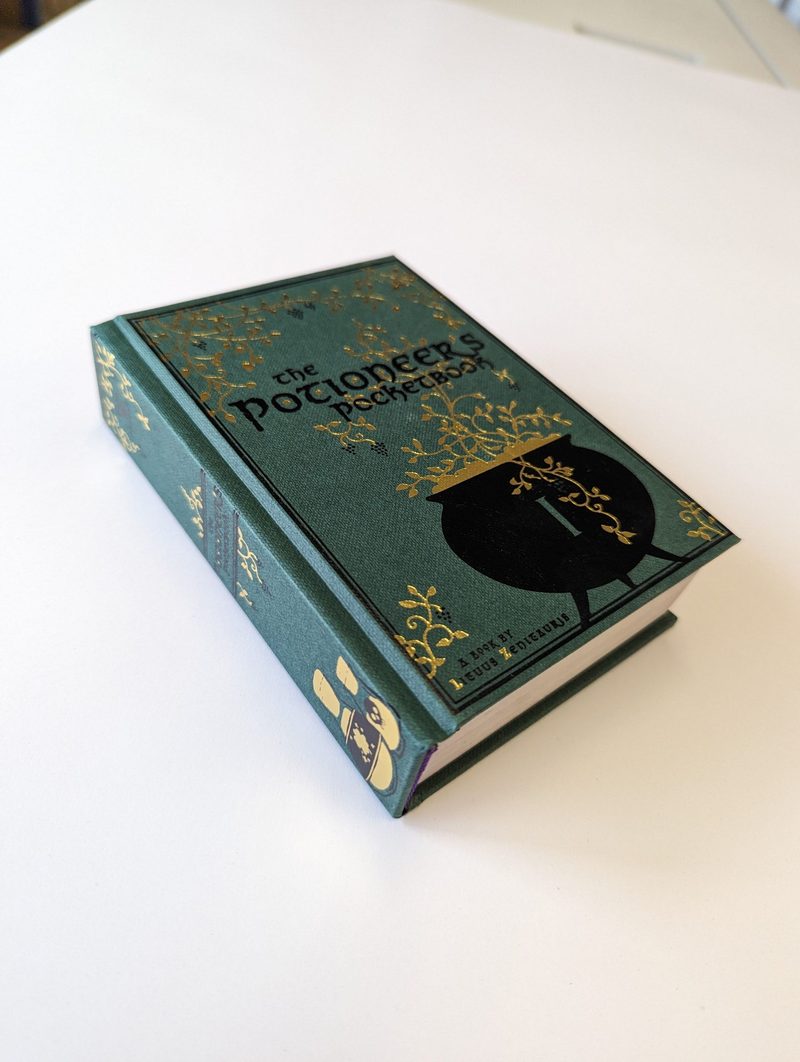
Hot foil stamping applied directly to laminated or uncoated covers in gold or silver, other colours to order. Creates an unmistakable premium quality that no digital print can replicate. How foil blocking works →
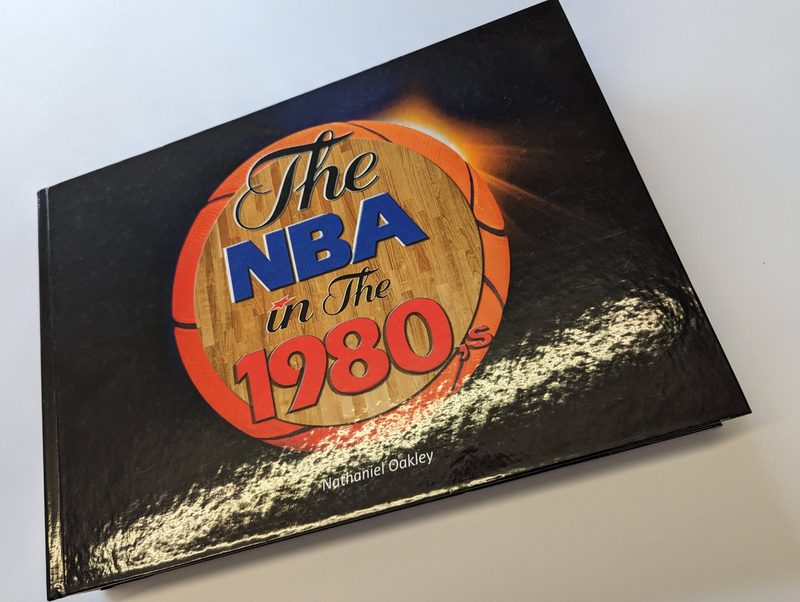
A high-gloss varnish applied to selected areas of the cover, titles, logos, imagery. Creates striking contrast against a matt laminated background.
Protective film applied to the entire cover in gloss, matt or soft-touch matt. Soft-touch matt is particularly popular for premium hardback and paperback covers.
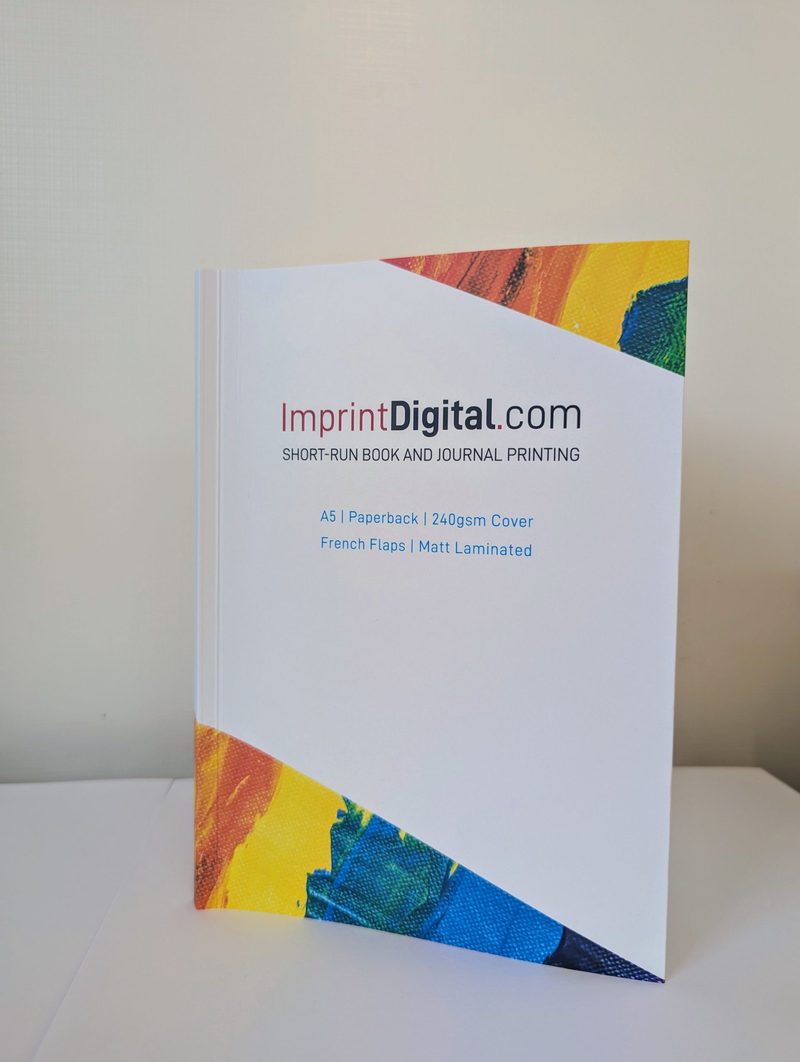
Extended cover flaps folded inward, giving a premium, finished look to otherwise standard paperbacks. Popular for literary fiction and trade paperbacks.
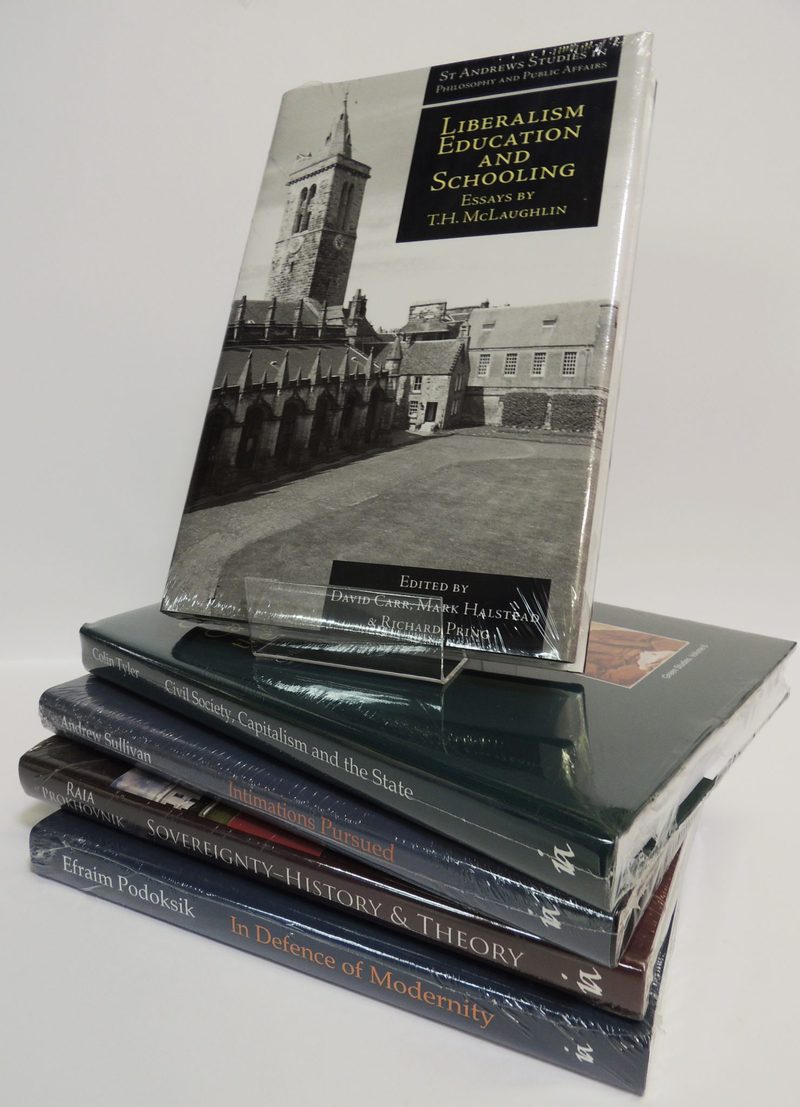
Each copy shrink-wrapped in clear film. Ideal for retail presentation, gift sets, and protection during transit.
Move your cursor across the cover, that's the play of light real foil gives a shelf browser. Screens can only gesture at it; order a free sample pack to feel the real thing.
Traditional woven ribbon bands at the head and tail of the spine, a classic finishing detail for hardback books, available in a range of colours.
Sewn-in ribbon bookmarks in the colour of your choice. Added during binding and trimmed to length. A small detail that significantly elevates perceived quality.
We can generate and print ISBN barcodes on your cover file. Useful for self-publishers and small publishers without existing barcode generation tools.
Talk to our Exeter team about the finish you want. We will confirm the options available for your book and include the agreed materials, finish and production requirements in your quote.
If anything doesn't meet our standards, we redo it at no cost or delay to you.
The honest answer: fewer than you might think, chosen deliberately. Finishing works by contrast, a single foiled title on a matt ground says more than a cover wearing every technique at once. The combinations we see work again and again:
The literary paperback: matt lamination with foil blocking on the title, and French flaps if the book wants a trade feel. Understated, bookish, inexpensive per copy.
The premium non-fiction cover, soft-touch matt lamination with spot UV picking out the title or a single motif. The velvet ground makes the gloss areas leap; readers stroke these covers without realising.
The classic hardback: cloth or Wibalin case, foil-blocked spine and front board, head & tail bands, marker ribbon; a dust jacket over the top if the book is sold rather than kept. This is the full bookbindery kit, and it's the making of special editions.
The working document: gloss lamination and nothing else. Prospectuses, manuals and catalogues need protection more than poetry; gloss lifts colour and wipes clean.
Two practical notes. Foil blocking needs a one-off die, so it suits designs that stay stable across reprints, the die is reused, and the per-copy cost falls with every run. And finishes are judged in the hand, not on a screen: the free sample pack carries real foil, real soft-touch and real spot UV so you can decide with your fingertips.
All finishing options are included in our instant quote calculator, see exactly what your book will cost.