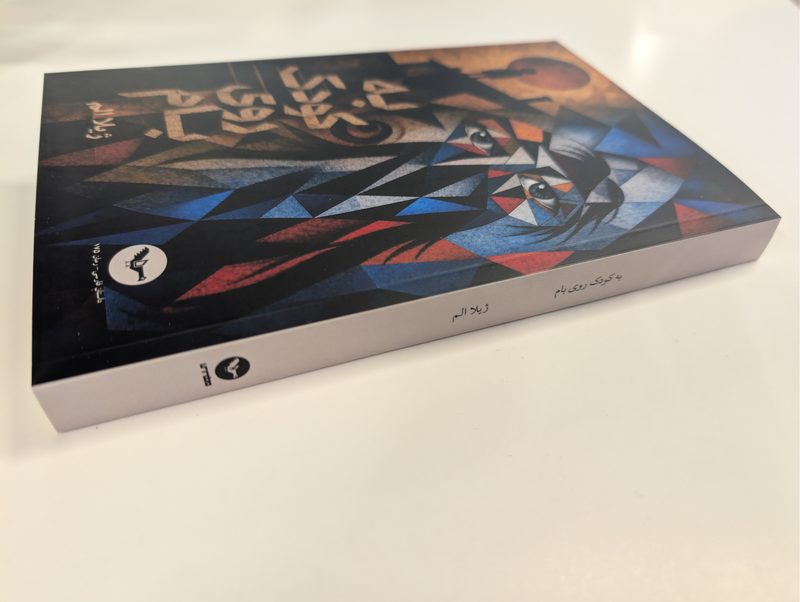
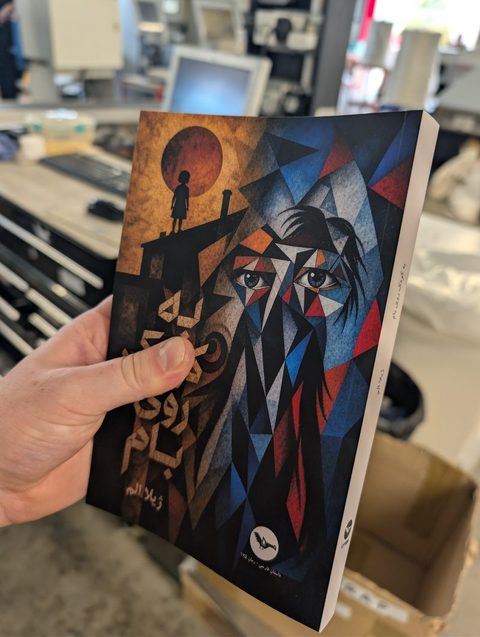
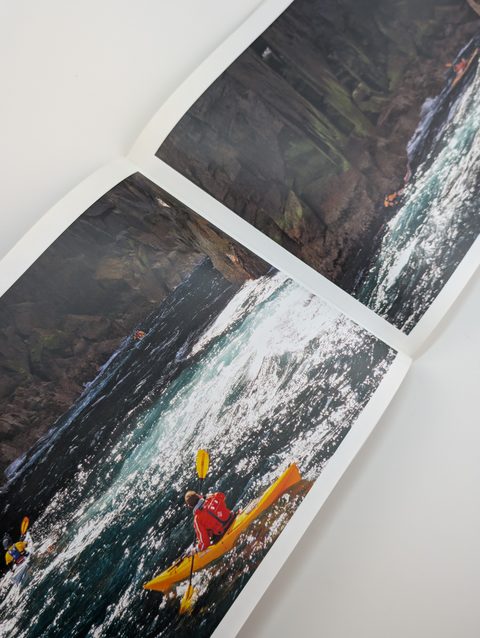
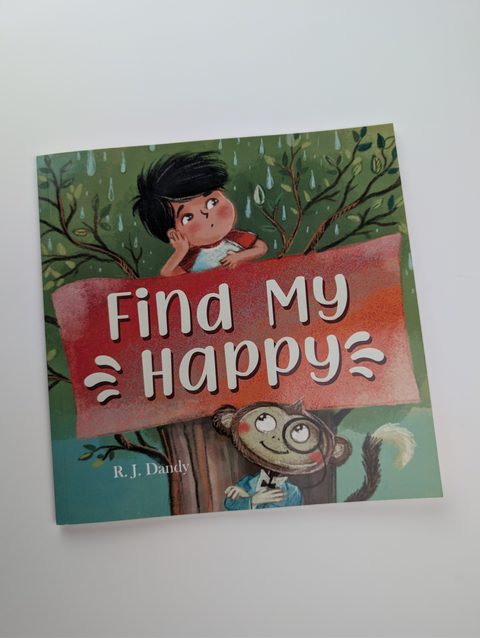
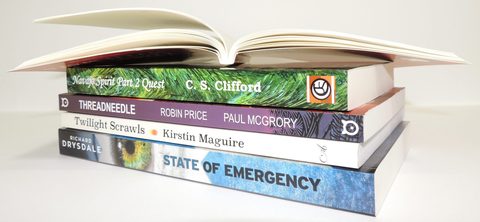
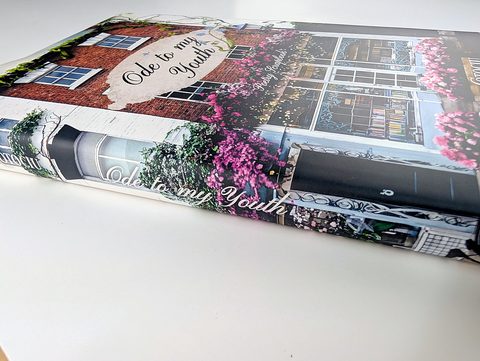
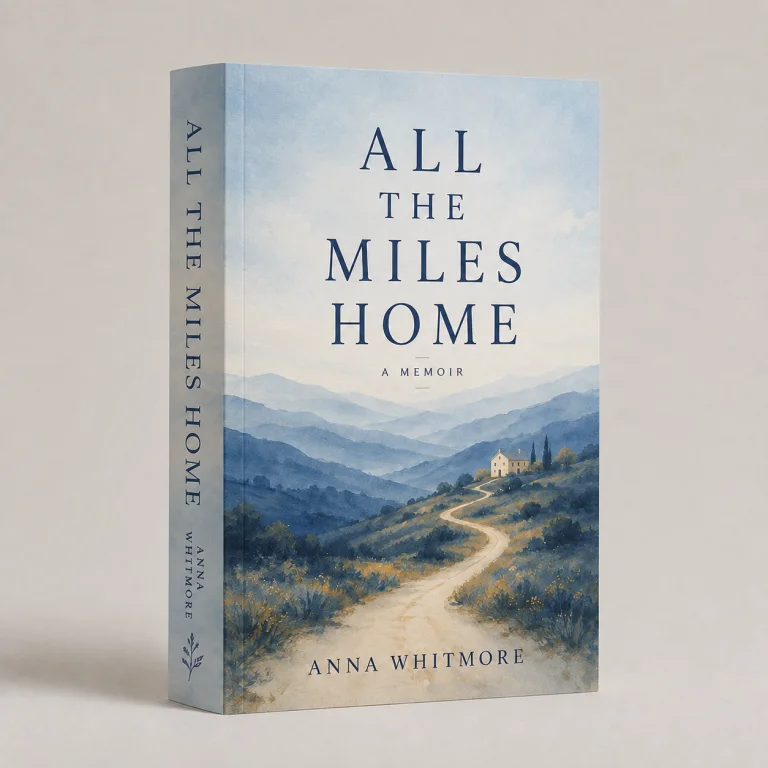
What is the minimum order quantity for paperbacks?Our minimum order is 10 paperback copies. We specialise in short runs so this applies across all three binding methods: perfect bound, PUR bound, and thread-sewn paperback.
How much does it cost to print a paperback book?Paperback pricing depends on size, page count, colour or mono printing, paper, binding and quantity. Compare run sizes for the same book to see how the per-copy cost changes. Use the calculator above for your exact specification, or compare UK book printing prices.
How much does it cost to print 100 paperback books?100 copies of a 200-page A5 mono paperback, perfect bound with a laminated full-colour cover, cost £2.72 a copy: £272.00 for the books plus £30.00 delivery to one UK address. 100 is the most common run on this page; the table shows the per-copy price still falling at 250 and 500. Colour pages, coated paper or a larger trim size cost more; the calculator above prices your exact spec.
How much does it cost to print a 300 page book?A 300-page A5 mono paperback, perfect bound, is about £4.59 per copy at 50 copies, £3.31 at 100 and £2.77 at 250, priced live by the calculator on this page. The extra pages add paper and a thicker spine over the 200-page book in the table; the same 300 pages as a thread-sewn hardback cost more again. Set the page count to 300 above for your exact spec.
How quickly can you turn around a paperback order?Standard production takes 5 to 7 working days from proof approval. Delivery is additional. If you have a deadline, tell us before ordering so we can confirm what is achievable.
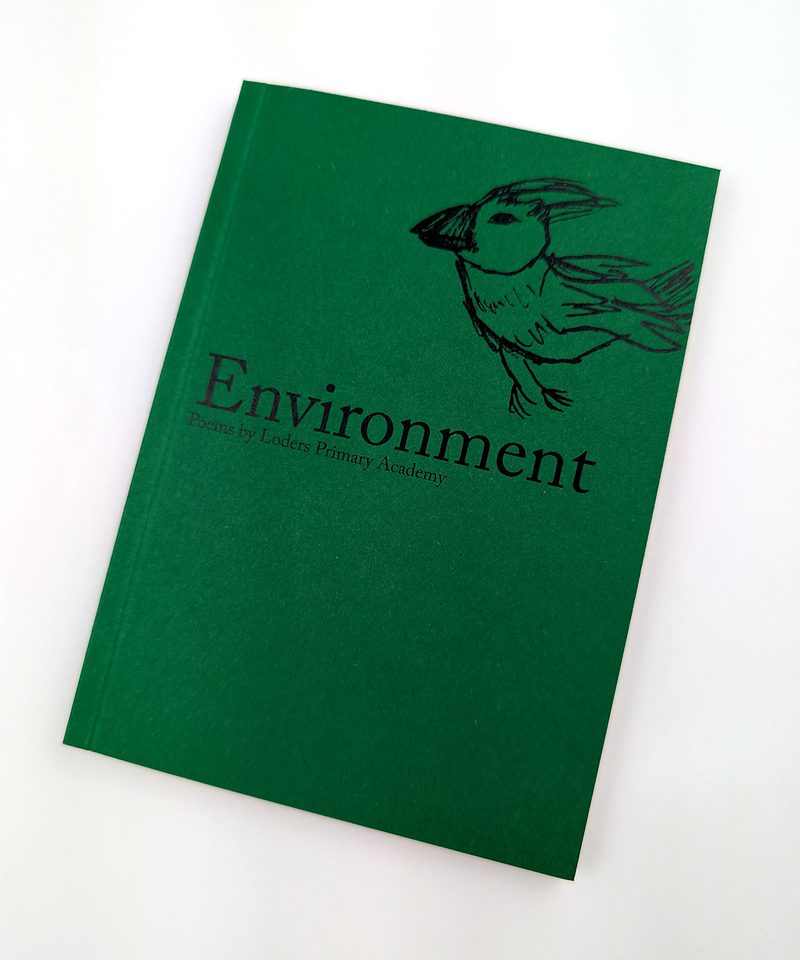
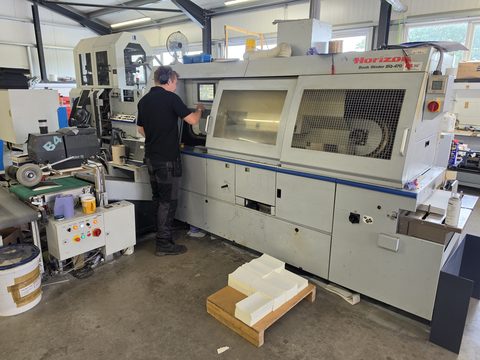
What is the difference between perfect binding and PUR?Perfect binding uses EVA hot-melt adhesive: strong, cost-effective, and ideal for most paperbacks. PUR uses polyurethane reactive adhesive which bonds more strongly, lies flatter when open, and works better on coated paper. PUR costs slightly more but is recommended for books that will see heavy use.
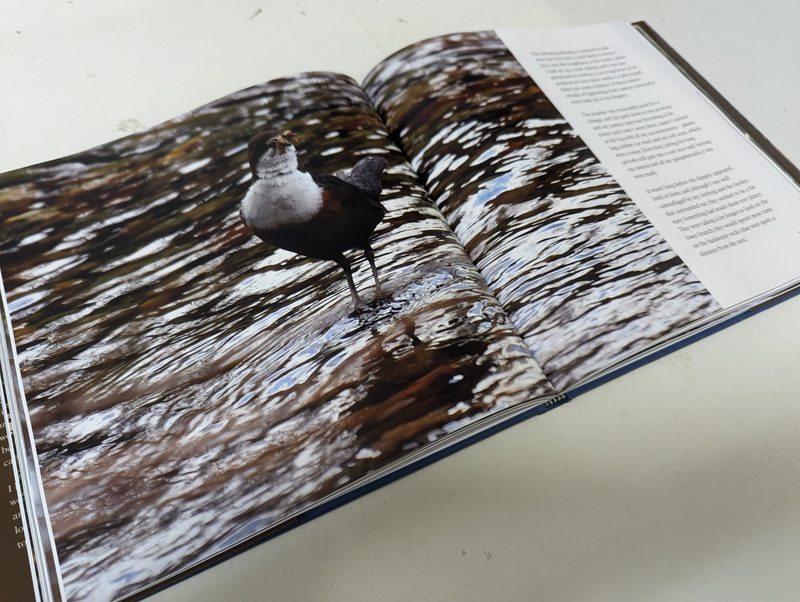
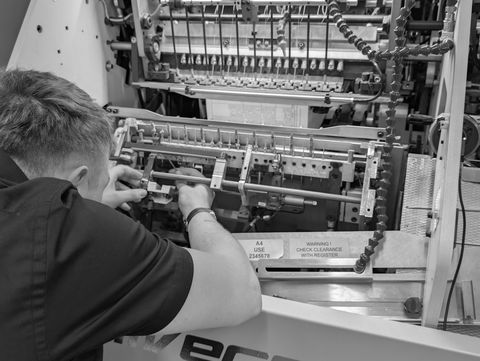
Do you offer thread-sewn paperback binding?Yes, we are one of the few UK printers to offer thread-sewn paperback binding from short runs. Pages are physically sewn before being glued into a paperback cover, producing the strongest paperback binding available. Ideal for art books, catalogues and reference works.
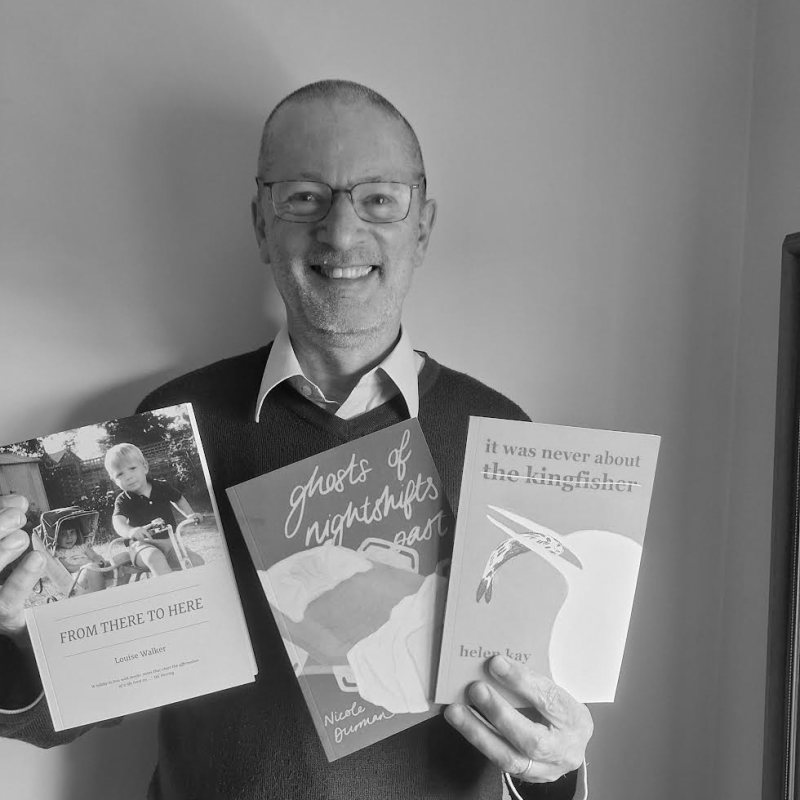
Can I send a sample book to check quality?Yes. Order a free sample pack of paperback examples covering different binding types, paper weights, and cover finishes.
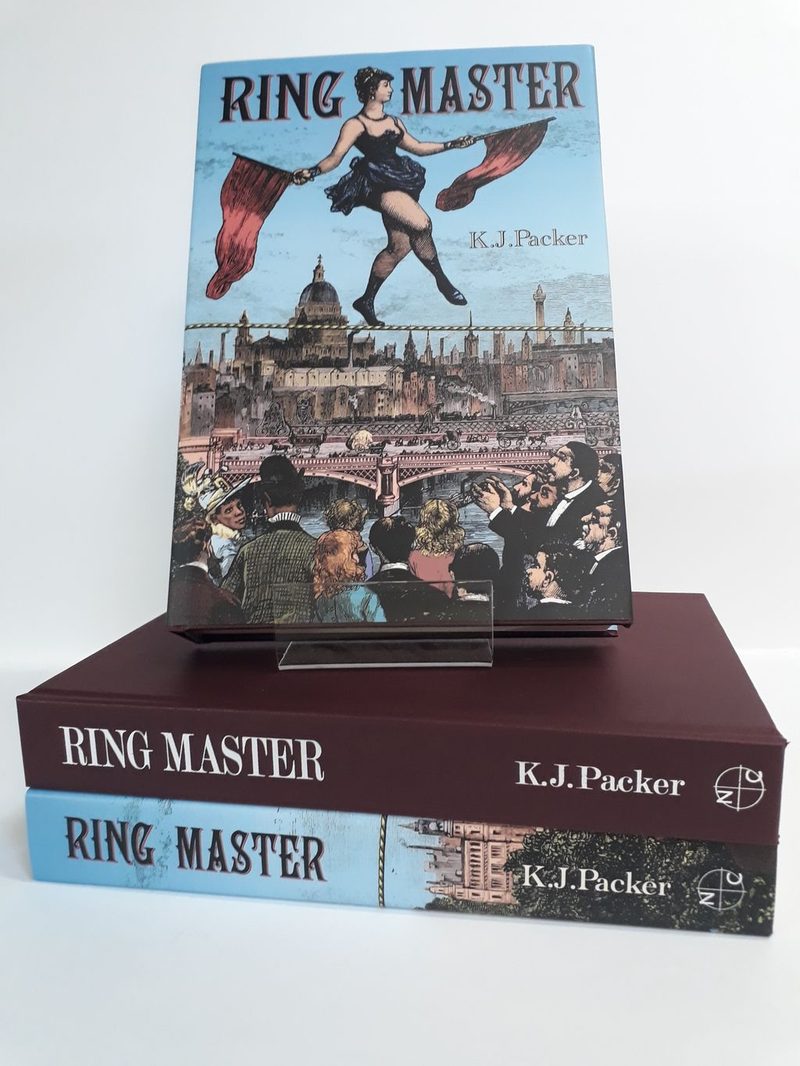
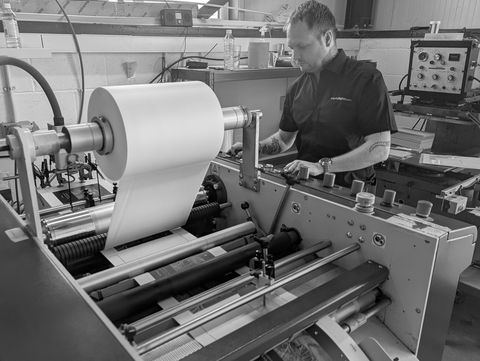
What cover finishes are available for paperbacks?Standard paperback covers are 260gsm coated card with gloss, matt or soft-touch matt lamination. Optional finishes include foil blocking and spot UV varnish. Cover printing is full colour CMYK; we can also handle Pantone spot colours on special order.
Is paperback printing cheaper than hardback?Yes, typically 50 to 70% cheaper per copy at the same spec and quantity. A 200pp A5 perfect-bound paperback runs around £2.72/copy at 100; the same book as a thread-sewn case-bound hardback runs around £6.45/copy at 100. Paperback is the right choice for cost-sensitive trade and self-publishing work.
How can I create a paperback book?Write and lay out the interior at the trim size you will print (our free interior templates and the words-to-pages tool give you the page count and margins), export it as a single-page PDF with 3mm bleed and 300dpi images, and build the cover with our free cover template generator, which sets the spine width for your paper and page count. Then pick size, paper, page counts, binding and quantity in the calculator on this page, add to cart, upload the two PDFs, approve the free digital proof, and we print and bind in 5 to 7 working days. Start with 10 copies if you want to hold the book before a bigger run.
What is the cheapest way to print a book?Mono text on 80gsm uncoated paper, A5 or B-format, perfect bound, and as many copies as you will genuinely use: the same 200-page A5 paperback is £2.72 a copy at 100 and £1.71 at 500 on this page, because make-ready spreads across the run. Do not pay for colour you do not need, keep the cover to a laminated card, and trust the free digital proof rather than adding a printed one. For one or two copies a print-on-demand service will beat any printer; from 10 copies a dedicated run like ours is cheaper per copy, and the gap widens with every quantity step.