The Publisher Hub is a live library of every title you print with us. One-click reprints from saved specs. The last approved cover and interior files bound to every book. Reorder reminders on your backlist. A named book specialist on every account. PUR and thread-sewn binding from 10 copies (25 for hardbacks) on any title, because the right binding should not depend on the size of your run.
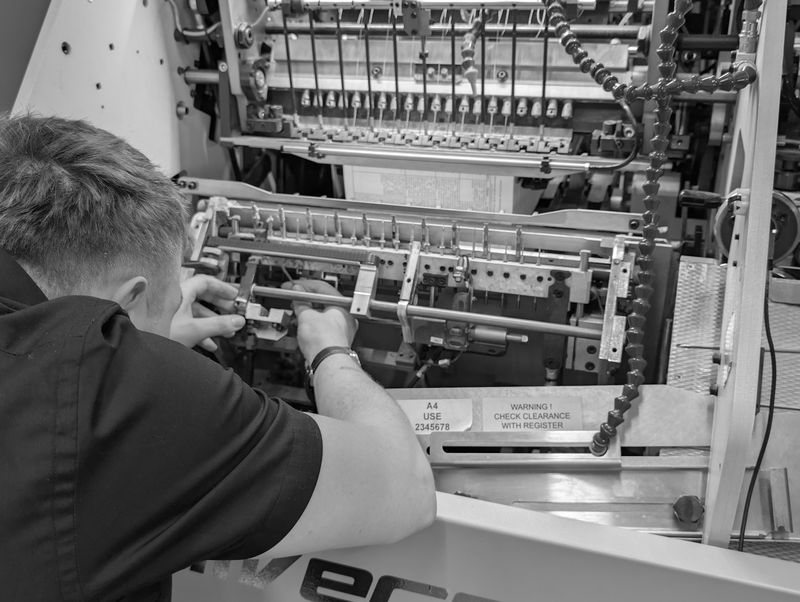
We print for publishers who ship ten titles a year and for publishers who ship two. The work is the same either way, every signature counted, every cover held up to the light, every reprint printed from the same spec that worked last time. That is the standard. The Hub is everything around it.
The established route to short-run print goes through large suppliers with scale, credibility, and a tendency to treat a 100-copy reprint like an inconvenience. We built this for the other way round, serious production capability, kept small enough that your production manager knows your titles by name and your account manager picks up the phone.
Most printer portals are built around orders. Yours is built around titles. Every book you print lives in the Hub as a first-class object, with a cover, a spec, a file set, a printing history, and a one-click reprint. The Hub is how publishers actually work; we just built the printer behind it.
Every book you print with us becomes a title in your Hub automatically. Cover thumbnail, ISBN, trim, binding, paper, extras, all captured against the title record the moment the job leaves the bindery.
Each title carries a clear status, Approved for reprint, Files needed, Proof required, Approved for print, Archived. One glance at your catalogue tells you what's ready to reorder and what needs your attention first.
Filter by author, series, imprint or year. Open any title to see its complete printing history, who approved what, and what came back from the press.
Pick a title from your Hub. Confirm the quantity. That is the order. The spec is the one you approved last time, the files are the ones we printed from, the price is refreshed to today's rates and shown before you confirm.
We surface reprint pricing at 50, 100, 250, 500 and 1,000 copies side-by-side, so you can see the unit-cost drop as quantity scales, and make a stock decision instead of guessing. No pressure to go bigger; just honest clarity on where the best value sits.
No re-briefing. No "can you check what paper we used". No file chase. A reprint takes less time than reading this paragraph.
The cover PDF and interior PDF we printed from last time are attached to the title. So is the preflight report. So is the sign-off history. If you want to check what went to press in 2024, it is one click.
When you upload a replacement, our browser-based preflight surfaces any issues in plain English, "we found a few things that may affect print quality", not a cryptic error. Fix and re-upload, ask our prepress team to review it for you, or continue with a warning noted against the file. No file ever reaches the press in a state we haven't talked about.
Upload replacements only when something genuinely changes, a corrected typo, a new edition, a refreshed cover. Everything else just works.
Set a threshold against any title (last reprint was X months ago, or last reprint sold through in Y months) and the Hub pings you a reorder reminder before you notice the shortfall yourself.
No alerts you did not ask for. No marketing disguised as a notification. Just a nudge when a backlist title is due a fresh run, so you never discover you are out of stock at an event on a Thursday morning.
Overprinting ties up cash and storage. Underprinting raises unit cost and loses sales when a title catches on. A current quote and a realistic sales forecast help you choose the quantity for your next run.
Ours doesn't. Tell us a few specifics about the title, launch or reprint, how the last run sold through, whether there's an event, your budget and storage reality, and we'll suggest a safe quantity, a best-value quantity, and when you're likely to need the next reprint. From people who see a lot of titles move through the factory every month, not an algorithm pretending to know your business.
The tools small-publisher operations actually run on.
Every change to a title (new cover, paper swap, upgraded binding) creates a version. Previous versions stay accessible, so "reprint from the 2024 spec" is a real option.
Filter the library by author, series or imprint line. Useful when your backlist crosses thirty titles and the year they were first printed stops being memorable.
Select five titles at five quantities, submit as one order. One PO, one despatch, one invoice. Ideal for a season-start backlist refresh or a rep copy roll-out.
Twelve titles, eight reprints, average run 180 copies, favourite paper is 80gsm Bookwove Cream. A light dashboard view of your own printing behaviour over time.
Editor, production, finance: each on their own login, each with the permissions that match their role. All activity logged against the publisher account.
One face, one name, one phone number against your account. The person who knows your titles, your preferences, and the last job that came off the line.
Proofs don't live in email chains. Approve, request changes, or upload a revised file from the Hub, with an audit trail of who approved what, when, and against which file version. No disputes a year later about which PDF went to press.
Publisher office, author home, bookshop, event venue, distributor, warehouse. Save every address you ship to and pick one at order time. No retyping postcodes for the rep copies going out to a school.
New volume in a series? Second edition of the same title? Duplicate an existing title's spec in a click, keep the paper, binding and finishing, swap the files and the ISBN. Series setup time drops from half an hour to ninety seconds.
Publisher accounts get volume-based pricing, set during onboarding based on your typical print mix and run size. Your saved specs pick up the tiered rates automatically, quotes and reprints always reflect your agreed pricing, not the public list.
When you open a publisher account, we don't drop you into a twelve-field signup and a pricing page. A real book person picks up the phone for twenty minutes and asks you a handful of specific questions. What you print. How often. What you wish your current printer did differently.
That conversation shapes what follows. Your pricing tier, your file preferences, your typical turnaround expectations, all recorded, all reflected in the Hub the moment you log in. By the time you load your first title, the portal is already set up around how your publishing operation actually works.
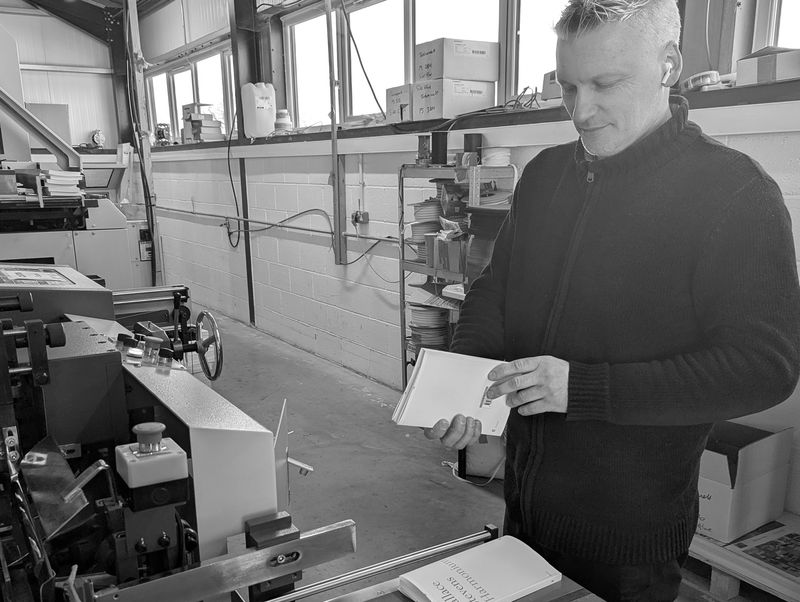
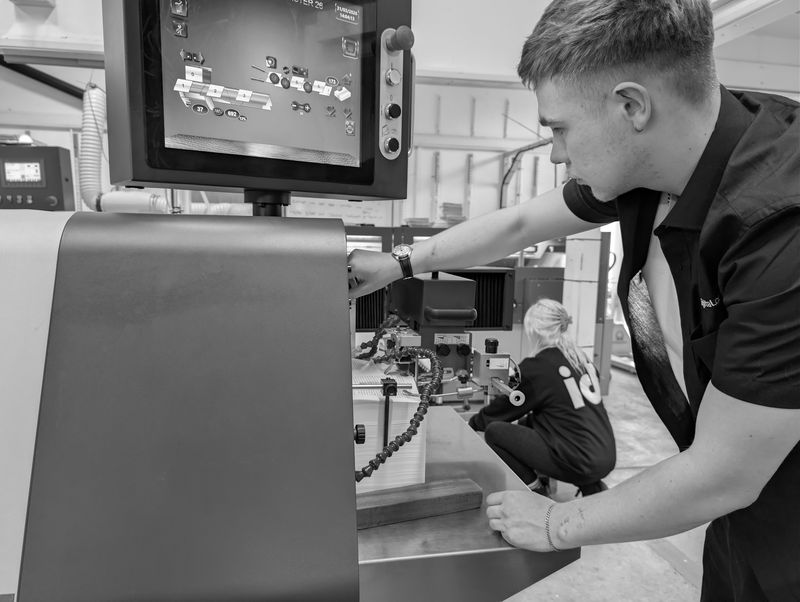
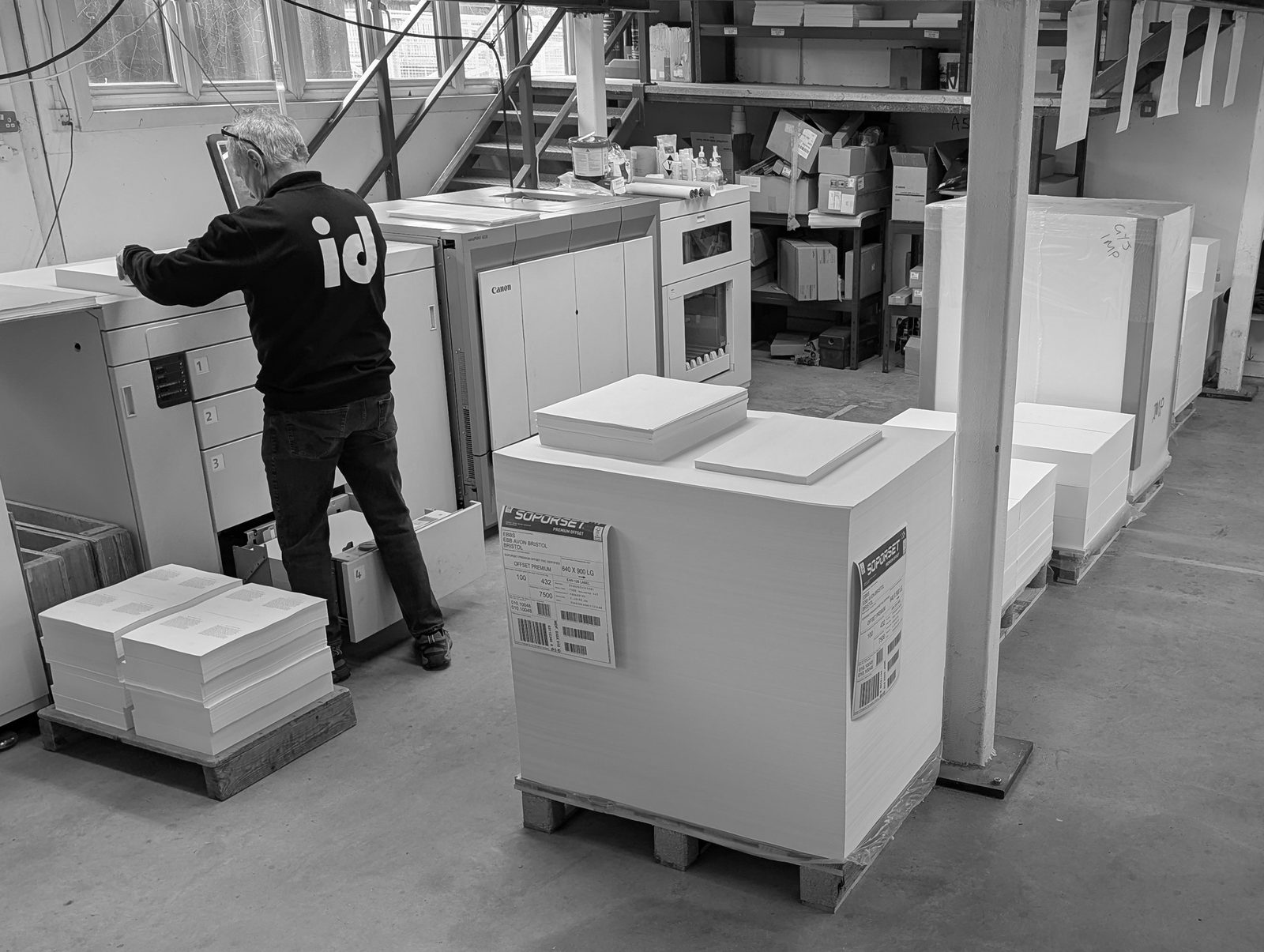
The Hub would be a nice tool without the printer. It is a useful tool because of the printer. In-house production, every binding option on the menu at every quantity, and a standard of work that does not waver with run size.
B-format, A5, Royal, B5, A4 and custom sizes up to 310×310mm. Perfect bound, PUR, or thread-sewn, all three available from 10 copies (25 for hardbacks). 19 paper stocks covering novels, guides, academic and illustrated work.
Case bound with thread-sewn signatures as standard. Wibalin Buckram cloth or printed paper cases, with foil blocking, head & tail bands and marker ribbons as extras. For literary, reference, poetry and limited editions where build quality shows.
Plate sections, colour endpapers, colour chapter openers in an otherwise mono book, no extra setup, no separate job. We bill mono and colour pages at their own rates on the same print order.
Most short-run digital printers only offer standard EVA perfect binding below a few hundred copies. PUR typically kicks in at 250+, thread-sewing at 500+. For a publisher running 80 copies of a literary hardback or 120 copies of a coated-stock art paperback, that can mean the right binding is simply not on the menu.
We offer PUR binding for paperbacks and thread-sewn binding for paperbacks and hardbacks. Thread sewing helps the book open more easily and supports repeated use, but neither construction makes a completely lay-flat book. Compare samples for your paper and page count. Paperbacks start at 10 copies and hardbacks at 25.
See it in the quote calculatorPrice it in the calculator. Save the spec to your publisher account, nothing rekeyed when you come back to it.
Drop your cover and interior PDFs into our file checkers. Issues surface before press, fixed before cost.
The moment the job leaves the bindery, the title joins your library, cover, spec, files and printing history bound together.
Next run is picking the title, confirming quantity, done. Same spec, same paper, same binding, as many times as the backlist needs.
Book a twenty-minute onboarding call. We set up your Hub around your print mix, your typical runs, and how you like to work. From your next reprint onwards, you stop repeating yourself.