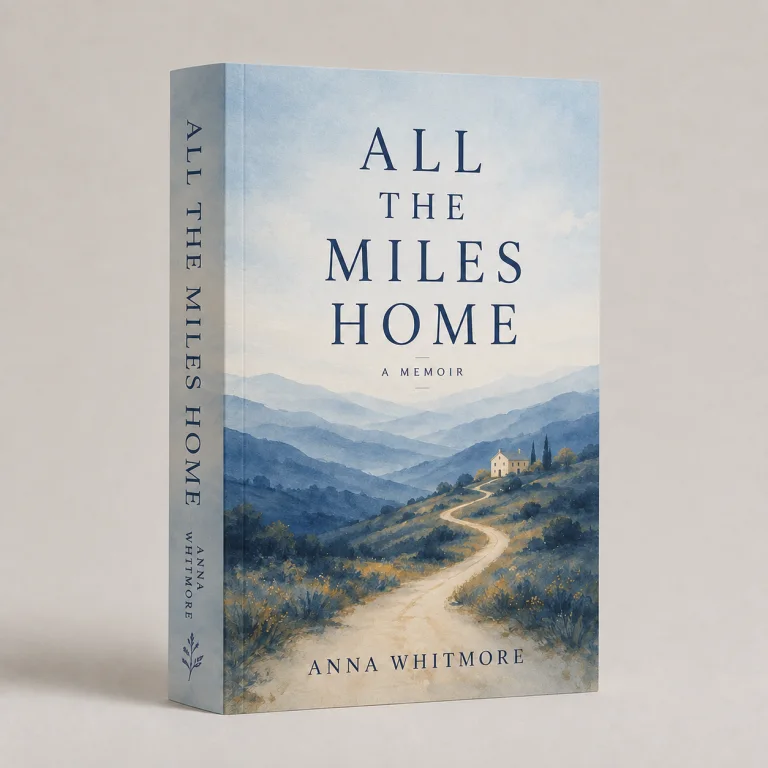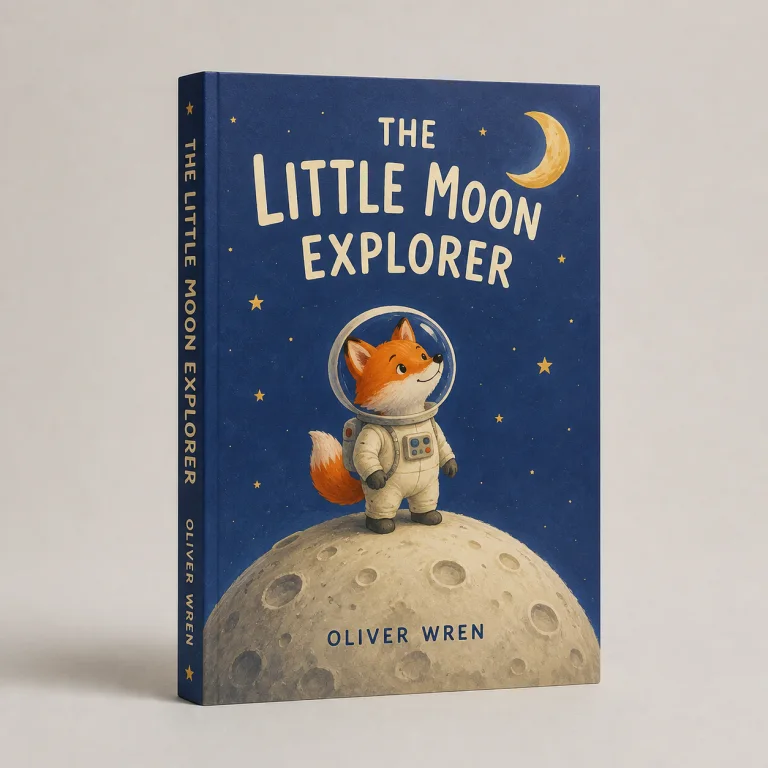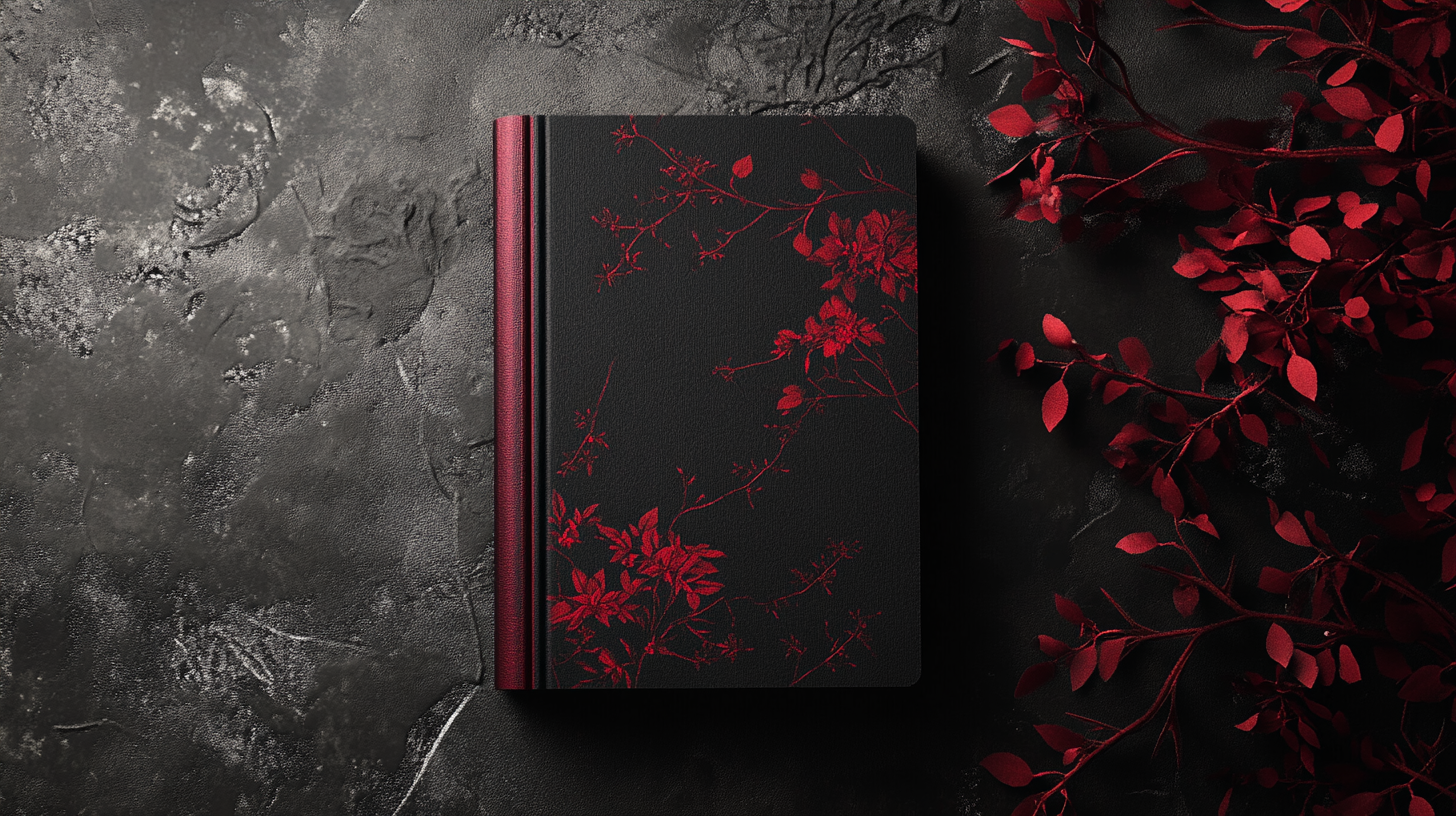
In the world of publishing, a book's cover serves as its first and most powerful marketing tool. Though the saying goes, "never judge a book by its cover," readers inevitably do. Whether it's a quick scroll through an online store or a glance at a bookstore shelf, the cover design is often the deciding factor in whether someone picks up a book or passes it by. A well-crafted cover grabs attention and conveys the essence of the book's content, genre, and tone, sometimes in just a fraction of a second.
Cover design can play a critical role in a book's overall success, from drawing in potential readers to setting the right expectations. A strong cover can create intrigue, spark an emotional connection, and even become iconic over time. In this article, we'll explore why cover design matters in both digital and print formats, how it can elevate your book in a competitive market, and what elements go into crafting a cover that sells.
Ready to try these ideas on your own paperback? Our free online book cover maker lets you edit a template, add text and artwork, and design the front, back and spine together. It uses your book size, page count and selected paper to set the cover measurements. Sign in to save your design and prepare its print file for Imprint.
For a guided starting point, visit Design your book to see example covers and watch the short walkthrough before opening the builder.
Book Cover First Impressions
When it comes to book covers, first impressions are everything. Typesetting and design are essential. Your book's cover is often the first interaction a potential reader will have with your story, and it can determine whether they're intrigued enough to pick it up or click for more. For self-published authors especially, having a standout cover is essential to competing in a crowded market. It's not just about having a pretty design, it's about creating an emotional connection with your audience and clearly communicating what your book has to offer.
Grabbing Attention and Creating Emotional Impact
A book cover's visual appeal is more than just decoration. It's a powerful tool that can immediately grab attention, evoke curiosity, and create an emotional response in potential readers. In just a few seconds, the cover needs to tell a story, spark intrigue, and leave a lasting impression. Whether you're browsing an online store or walking through a bookstore, the covers that catch your eye usually have something visually striking that pulls you in, whether it's bold typography, contrasting colours, or an evocative image.
For new authors, especially in the self-publishing space, it's important to understand that readers often make snap judgments based on appearance. Think of your cover as the book's sales pitch, it's the first step in convincing someone to learn more about your work. A well-designed cover:
- Uses Colours Intentionally: The choice of colours can communicate tone and mood. Bright, bold colours may suggest adventure or humour, while darker, more muted tones could hint at mystery or drama.
- Balances Imagery and Text: Too much visual clutter can overwhelm the eye, while too little may not convey enough information. A strong cover finds the perfect balance, where the imagery complements the title and genre.
- Utilizes Typography Effectively: The fonts you choose aren't just for legibility, they're for setting the tone. A flowing, elegant font might suit a romance novel, while sharp, bold text could suit a thriller or action-packed narrative.
Ultimately, visual appeal is about making your book stand out in a sea of others, creating a striking look that encourages people to take that next step: reading the blurb, opening the book, or clicking to find out more.
Relevance to Genre and Audience
While the cover's visual appeal gets readers to notice your book, the design's relevance to the genre and audience sets the right expectations. Your book's cover must communicate what type of book it is to avoid confusing or misleading potential readers. Think of it this way: a cover acts like a promise to the reader, hinting at the genre, tone, and content inside.
For self-published authors, matching your cover design to your genre is especially important. Readers are used to certain visual cues for specific genres. For example:
Romance novels often feature soft, warm colours, elegant fonts, and imagery that suggests relationships or love stories, such as couples or symbolic objects like flowers or rings.

The Notebook by Nicholas Sparks
Cover Design Features: Soft colours, romantic imagery of a couple, elegant typography.
Why it Works: The cover immediately tells you it's a love story, evoking emotions of warmth and nostalgia, with a simple yet evocative image that reflects the tone of the book.
Thrillers and mystery books tend to use darker, high-contrast colour schemes, often with sharp or distressed typography and imagery that suggests danger, intrigue, or suspense (such as shadows, urban landscapes, or ominous symbols).

Gone Girl by Gillian Flynn
Cover Design Features: Dark, minimal design with bold, distressed typography.
Why it Works: The stark, high-contrast colors and the mysterious image (barely-there strands of hair) create a sense of foreboding, perfect for a psychological thriller. The cover is both striking and unsettling, which matches the tone of the book.
Fantasy books frequently employ intricate, mystical imagery, otherworldly landscapes, or symbolic items like swords, dragons, or magical creatures, often with rich, earthy colour schemes and dramatic fonts. Highly illustrative covers are also a defining feature of comic book printing, where the artwork itself is doing much of the genre signalling.

The Name of the Wind by Patrick Rothfuss
Cover Design Features: Rich, dark tones with a figure set against a mystical, windswept background.
Why it Works: The cover evokes the fantasy genre through imagery that suggests adventure, magic, and mystery. The ornate typography also matches the grandeur of an epic fantasy tale.
Non-fiction covers focus on clarity and authority. A clean, professional design with simple imagery or icons relevant to the subject matter helps communicate expertise and reliability.

Becoming by Michelle Obama
Cover Design Features: Simple, clean design with a powerful portrait of Michelle Obama.
Why it Works: The design is clear, professional, and reflective of the inspirational tone of the memoir. The focus is on the author's image, reinforcing her as the subject and her personal story as the focal point.
A mismatch between cover design and content can lead to disappointment or missed opportunities. If readers expect a fun, lighthearted novel but are met with a dark, heavy narrative, they might not continue reading. On the other hand, a well-designed cover that accurately reflects the book's genre will attract the right readers, those who are looking for exactly what your book has to offer.
The goal is for a potential reader to see your book cover and instantly know it's a story or topic they'd be interested in, even before they read the title.
Ebook Cover vs Paperback Cover vs Hardback Cover
When designing a book cover, it's essential to consider the format in which your book will be sold. Each format (eBook, paperback, and hardback) presents unique challenges and opportunities. As a first-time author, understanding the differences can help you make the right design decisions for each version of your book, ensuring that your cover performs well in every format.
Ebook Covers
Ebook covers are critical in capturing attention in a crowded online marketplace, often within seconds of a reader scrolling through a list of titles. In this format, simplicity and clarity are key. Unlike paperback and hardback covers, eBook covers are often viewed on small screens, from smartphones to e-readers, so the design needs to make an impact, even when shrunk to a thumbnail size.
Design Considerations for Ebook Covers:
- Bold, Simple Imagery: Avoid intricate details or overly complex illustrations that could get lost when the cover is reduced to a small size. Bold, striking imagery with clean lines tends to stand out better on screens.
- Minimal Text: Keep the text on your eBook cover simple. While you may have more text on a paperback or hardback cover (like taglines or endorsements), an eBook cover works best with just the title and author's name prominently displayed. The text should be legible even in small thumbnails, so choose fonts that are clear and easy to read in all sizes.
- High Contrast Colors: Colors should stand out against each other to make the cover pop on a screen. Low contrast can make details blend, especially when viewed in grayscale on some e-readers.
- Test on Different Devices: Before finalizing your eBook cover, view it in multiple formats and on various devices (smartphones, tablets, and e-readers) to ensure it looks good at different resolutions and screen sizes.
Since eBooks are often purchased based on quick judgments while scrolling through an online store, a strong and simple design that immediately impacts success is crucial.
Paperback Covers
Paperback books are the most popular format for readers and authors due to their affordability and accessibility. Designing a paperback cover requires balancing cost-effectiveness and an appealing, professional look. Unlike eBooks, readers will physically handle paperbacks, which means your design needs to appeal both on the shelf and in the reader's hands. This allows you to have special finishes on the cover, such as spot-UV or foil blocking.
Design Considerations for Paperback Covers:
- Detailed Imagery and Illustrations: Paperbacks often have more space for creativity compared to eBook covers. You can include more intricate designs, background elements, or detailed illustrations, as readers will see the cover in full size. However, avoid overcomplicating the design, as too much detail can still overwhelm the viewer.
- Front, Back, and Spine Design: Unlike eBooks, paperback covers include more than just the front cover. You'll need to design the back cover and spine, which is an opportunity to add additional information, such as a book summary, endorsements, or a brief author bio. Be mindful of how all three elements (front, spine, and back) work together for a cohesive look.
- Typography for Shelf Impact: Since paperbacks are displayed on shelves, the typography (especially the title and author's name) needs to be clear and eye-catching from a distance. A strong, readable font paired with contrasting colours can make your book stand out among other titles.
- Cost-Effective Materials: As a first-time author, you may need to consider cost-effective options for your paperback cover design. Matte or glossy finishes are common, and each offers a different feel. Matte finishes give a more subdued, sophisticated look, while glossy covers can be more vibrant and attention-grabbing. Choose a print finish that complements your design and budget.
Paperbacks also need to be durable enough to handle frequent use. While keeping production costs down is important, choosing high-quality materials will ensure your book stands up to wear and tear.
Hardback Covers
Hardback books are the premium format, often associated with high-quality finishes and a more refined aesthetic. If you're releasing your book in hardback, it's important to think about how your cover will reflect the elevated price point and the prestige of the format. Hardback covers can be more minimalistic in design, as the focus often shifts toward the materials, textures, and finer details that enhance the reader's tactile experience.
Design Considerations for Hardback Covers:
- Premium Materials and Finishes: Hardback books typically feature luxurious finishes, such as cloth covers or faux leather, embossed or debossed text, foil stamping, and even dust jackets with spot-UV. These elements can make the book feel more valuable and justify the higher price point. The same premium-photo-cover treatment is the hallmark of a luxury wedding photo book, where the cover image is the centrepiece. As a first-time author, investing in a few of these premium touches can help position your book as a high-quality product.
- Minimal but Striking Design: Many bestselling hardback books use a clean, minimalist design that reflects sophistication. Instead of relying on busy imagery, hardback covers often use bold typography, a limited colour palette, and premium finishes (like gold foil) to make a statement.
- Dust Jackets: If your hardback has a dust jacket, this offers additional design possibilities. The jacket allows for more detailed artwork or information (such as an extended synopsis, author bio, or reviews), while the hardback itself can be simpler, focusing on textures and embossing.
- Consider the Book's Longevity: Hardbacks are often kept on shelves for years, so a timeless design is crucial. Choose elements that will stand the test of time, avoiding overly trendy designs that might date quickly. High-quality binding and materials ensure that the book looks beautiful and remains durable over time.
Hardback books are often collector's items or display pieces, so every detail in the design should reflect that sense of quality and longevity.
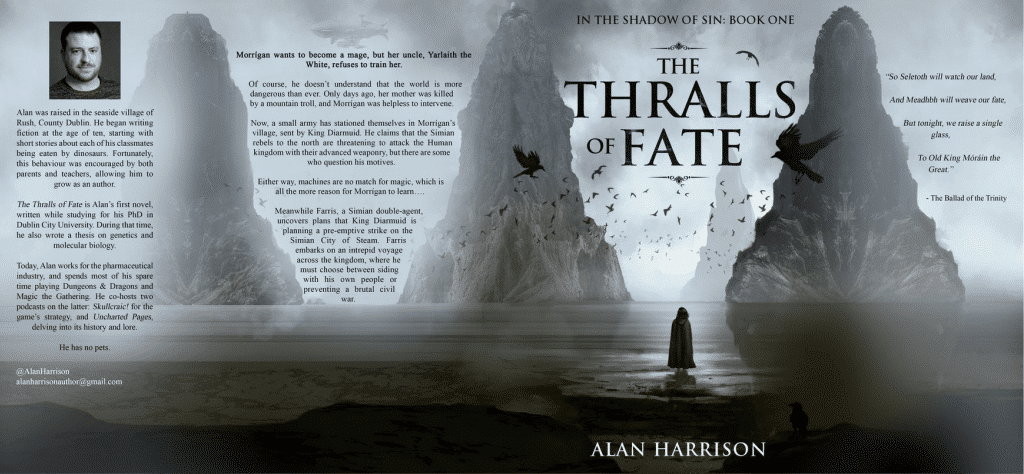
A hardback dust jacket provides significant design space, offering much more than eBook or paperback cover. The entire layout includes the front cover, spine, back cover, and inner flaps, each of which can be used creatively to enhance the book's presentation. The front and back covers are perfect for showcasing striking artwork or imagery, while the spine, often visible on bookshelves, is an ideal place for bold typography to catch a reader's eye. The inner flaps offer extra real estate for adding a detailed synopsis, author bio, or even some praise from early reviews.
By understanding the unique considerations for eBook, paperback, and hardback covers, you can tailor your design to ensure it looks fantastic in every format, resonates with your audience, and enhances your book's overall appeal. Whether simplifying for small screens, balancing cost and creativity for paperbacks, or adding premium touches to a hardback edition, each cover format has its own set of priorities for a successful book launch.
Ultimately, a well-designed cover invites your reader to pick up the book, and it promises an experience that matches the tone and genre conveyed through the cover. Investing in a thoughtful, genre-appropriate design gives your book the best chance for success in a competitive market. As a first-time author, taking the time to carefully consider your cover design (whether for eBook, paperback, or hardback) is an essential part of the publishing process. A great cover can capture attention, reflect your story, and, ultimately, drive your book's success.